Beyond the Container: 7 Questions to Ask Before Developing Custom Plastic Packaging
Great packaging does far more than simply hold a product.
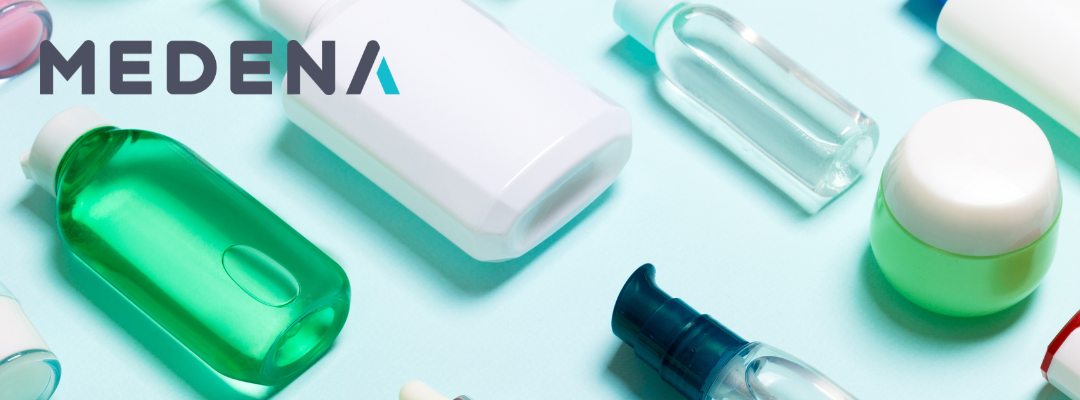
In the pharmaceutical, medical and cosmetic industries, packaging can influence product protection, ease of use, shelf appeal, manufacturing efficiency and the overall customer experience. A container may look simple from the outside, but every detail, from its material and shape to its closure and dispensing system, needs to work together.
Before starting a custom plastic packaging project, here are seven important questions every brand should consider.
1. What Does the Packaging Need to Protect?
The first step is understanding the product inside the packaging.
Different formulations can react differently to plastic materials, light, heat, moisture and air. A cosmetic cream, pharmaceutical tablet and liquid medical product will each have their own packaging requirements.
Factors to consider may include:
- Moisture protection
- UV exposure
- Chemical compatibility
- Temperature conditions
- Contamination risks
- Required shelf life
Material selection should therefore be based on performance and compatibility, not only appearance or cost.
2. How Will the Customer Use It?
Good packaging should make the product easy, safe and convenient to use.
Consider how the customer will hold, open, close, dispense or administer the product. Does the packaging need to be opened with one hand? Must it dispense a measured amount? Will it be used by children, older adults or people with limited hand strength?
Small design decisions can have a major impact on the customer’s experience.
A well designed closure, stopper, dosing device or dispensing system should feel intuitive while still protecting the product inside.
3. Does It Need to Stand Out on the Shelf?
Packaging is often the first physical interaction a customer has with a brand.
Shape, colour, texture, labelling and decoration can all help communicate whether a product is clinical, luxurious, natural, playful or highly technical.
Custom plastic packaging gives brands the opportunity to create a more distinctive product rather than relying solely on standard packaging options.
Solutions such as In Mould Labelling can also integrate branding into the moulding process, producing a durable and professional finish.
4. Are There Industry Specific Manufacturing Requirements?
Pharmaceutical and medical products may require more controlled production conditions than ordinary consumer goods.
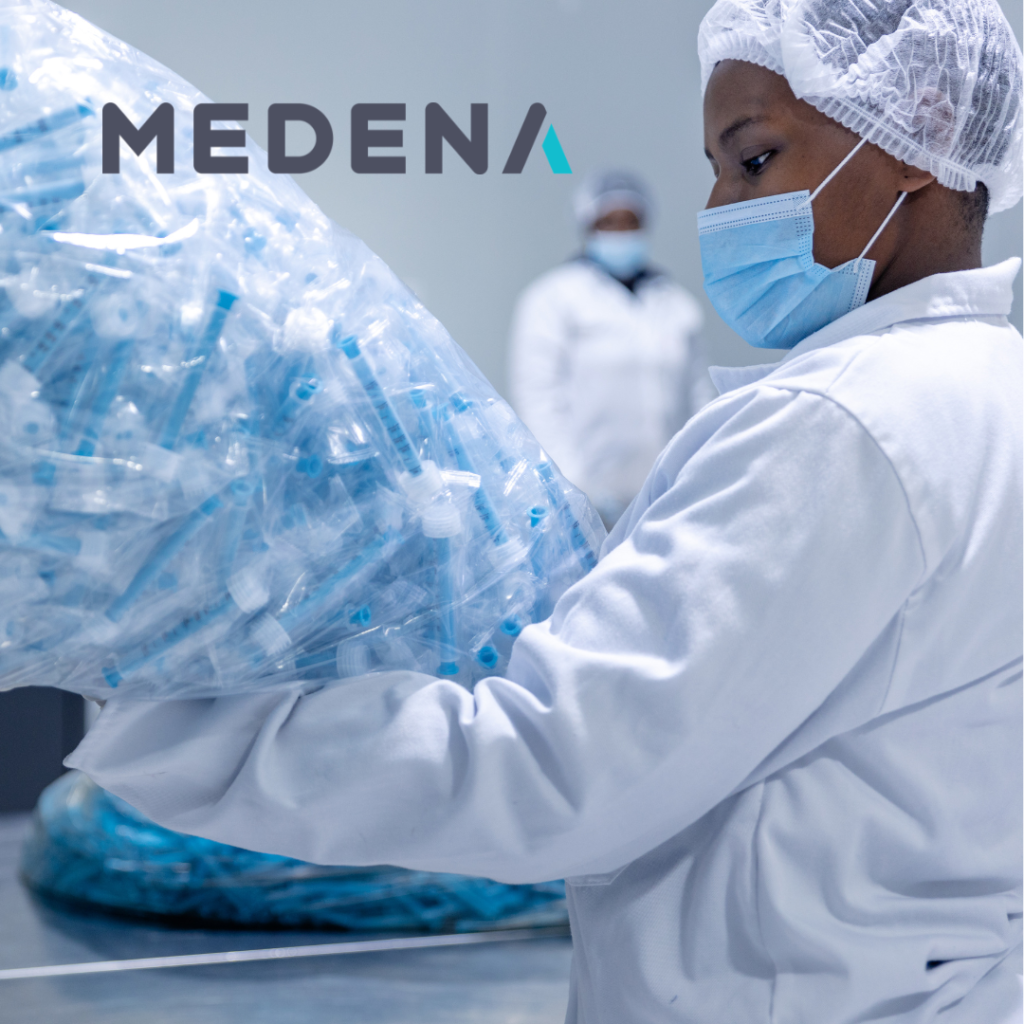
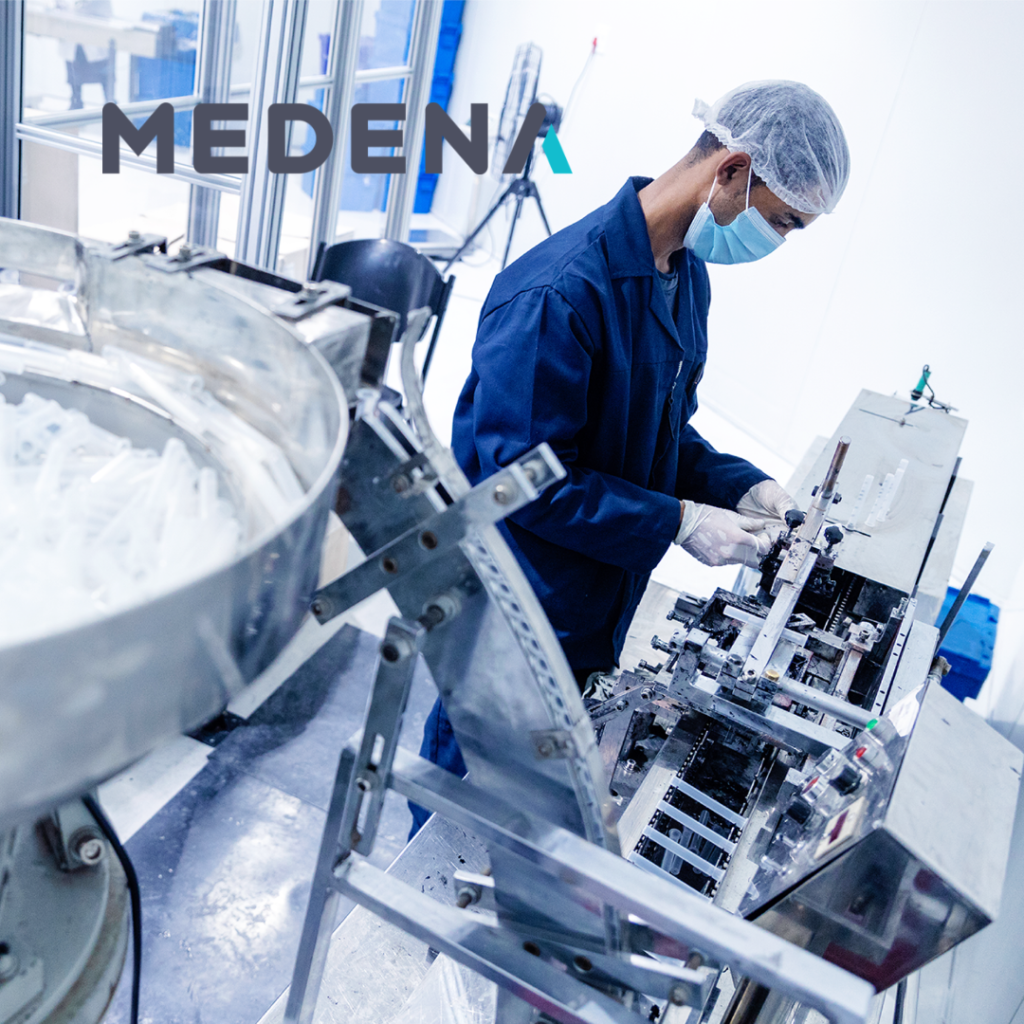
Depending on the product and its intended use, manufacturing may need to take place in a controlled environment to limit exposure to dust, particles and other potential contaminants.
It is therefore important to work with a manufacturer that understands the quality, cleanliness, traceability and consistency requirements associated with regulated industries.
5. Can the Design Be Manufactured Efficiently?
An attractive concept still needs to be practical to manufacture.
Before tooling begins, the design should be evaluated for factors such as:
- Wall thickness
- Part strength
- Mould flow
- Material usage
- Assembly requirements
- Production speed
- Product consistency
Early collaboration between designers, engineers, toolmakers and manufacturers can help identify potential challenges before they become expensive problems.
This design for manufacture approach can reduce unnecessary material use, improve production efficiency and support more consistent product quality.
6. What Volumes Will Be Required?
Production volumes can influence the most suitable design, tooling and manufacturing strategy.
A product being launched into a specialised market may have very different requirements from one intended for large scale retail distribution.
Brands should consider both their initial volumes and their expected future growth. Designing packaging with scalability in mind can help prevent the need for major redevelopment as demand increases.
A suitable manufacturing partner should be able to assess the project realistically and recommend a solution aligned with the product’s commercial goals.
7. Who Will Manage the Complete Process?
Custom packaging development involves more than producing a drawing and manufacturing a mould.
The full journey may include:
- Product research and concept development
- Material selection
- Engineering and prototyping
- Testing and refinement
- Mould design and manufacture
- Injection moulding
- Quality control
- Assembly and packing
Working with an integrated partner can simplify this process by allowing the different teams to collaborate from the beginning.
Packaging Should Be Designed Around Your Product
There is no universal packaging solution that suits every pharmaceutical, medical or cosmetic product.
The best results come from understanding the formulation, customer, brand, manufacturing requirements and commercial objectives before the final design is selected.
At Medena, we provide plastic injection moulding, clean room manufacturing, assembly and packing for the pharmaceutical, medical and cosmetic industries.
Together with Stanton Global, we also support pharmaceutical companies with the research, design and development of custom plastic packaging solutions. This includes concept development, material selection, prototyping, testing, engineering and preparing the packaging for efficient production.
Whether you are developing new packaging or improving an existing solution, our teams can help take your idea from concept to production.
Have a new plastic packaging project in mind?
Contact Medena at [email protected] and start moulding your brand’s future.